
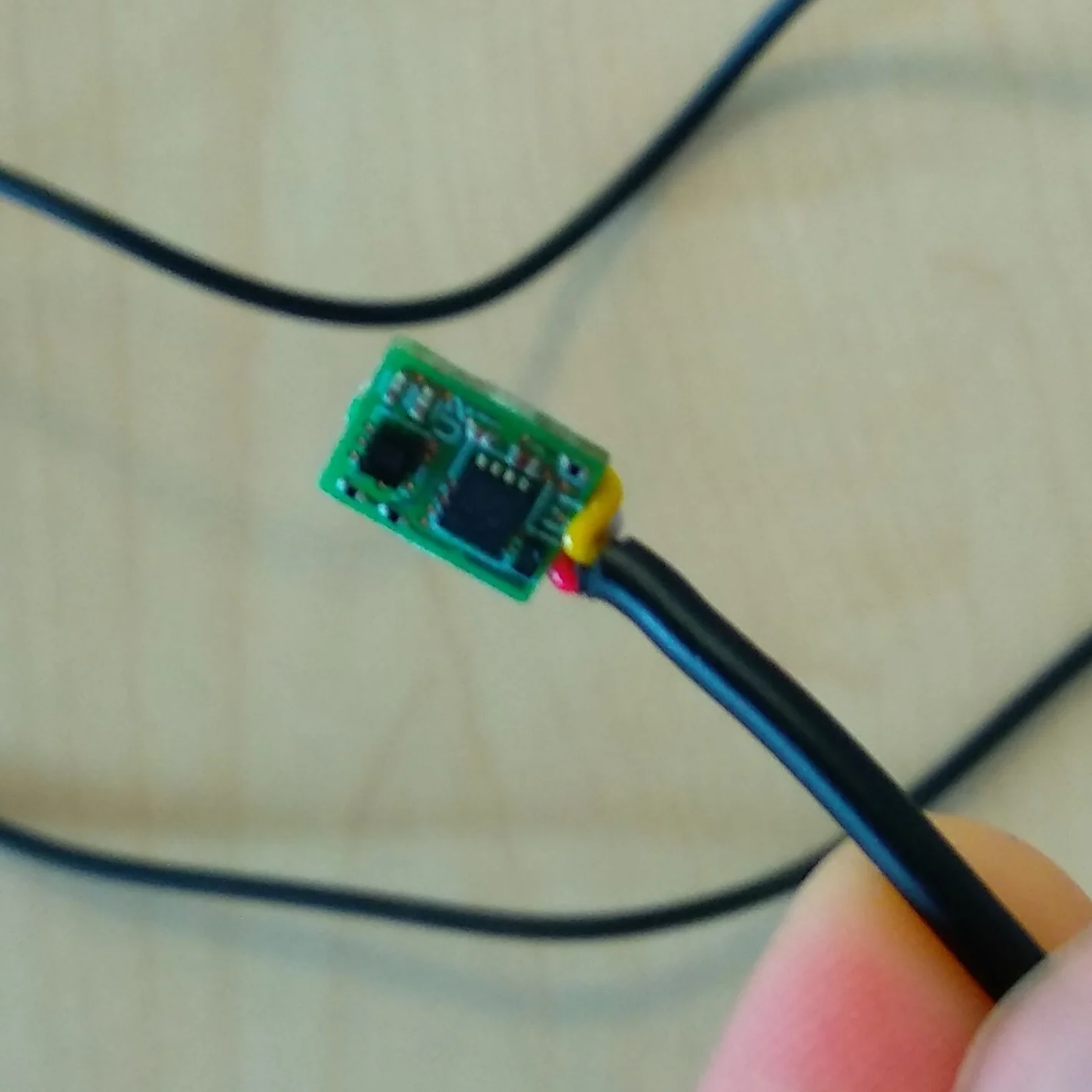
Portable Physiological Monitor for Underserved Regions
We designed and built a compact, USB-powered health monitoring device that integrates ECG, body temperature, hand grip strength, and SpO₂ (oxygen saturation) sensors into a single portable platform. Developed specifically for communities with limited access to healthcare infrastructure, the device operates on standard USB power — removing dependence on stable mains electricity — and runs embedded diagnostic algorithms that deliver immediate, actionable health insights without requiring specialized medical training or external equipment.
Category:
MedicalIndustry:
Medical Devices / Global HealthClient:
NGO / Development PartnerYear:
2022The Challenge
In many developing regions, access to basic diagnostic equipment and trained medical personnel remains severely limited. Conventional clinical instruments are expensive, power-hungry, and require centralized facilities. Patients in remote or underserved areas frequently have no access to ECG or SpO₂ monitoring — resulting in delayed diagnosis, untreated conditions, and preventable health deterioration. The challenge was to design a multi-parameter physiological monitor that is affordable, rugged, easy to deploy in the field, and capable of operating reliably on nothing more than a USB power source.
Our Solution
We developed a low-cost embedded device built around a low-power STM32 microcontroller with integrated analog front-end circuitry for ECG and SpO₂ acquisition, a grip force sensor, and a precision temperature sensor. A compact custom PCB consolidates all signal paths while keeping the device pocket-sized. Firmware implements real-time signal conditioning (FIR filtering, baseline wander removal), on-device SpO₂ estimation using photoplethysmography, and ECG quality assessment — all without cloud connectivity. A modular sensor architecture allows future parameter expansion, and simple user feedback (LED indicators or a small display) makes results understandable to non-medical users. Field validation confirmed consistent measurement accuracy compared to reference medical instruments across varied environmental conditions.
Key Features
- Quad-Parameter Monitoring: Simultaneous acquisition of ECG, body temperature, hand grip strength, and SpO₂ in a single, compact device — no need for separate instruments.
- USB-Powered Operation: Runs entirely on USB bus power, eliminating battery management complexity and ensuring usability in areas with unstable or absent mains electricity.
- On-Device Diagnostic Algorithms: Embedded firmware performs real-time signal filtering, SpO₂ calculation, and ECG quality assessment — delivering instant health insights with no cloud dependency.
- Field-Validated Accuracy: Measurements validated against standard medical reference instruments, confirming clinical-grade signal quality in real-world deployment conditions.
- Compact & User-Friendly: Custom PCB layout in a portable form factor; designed to be operable without specialized medical training, enabling community health workers to use it confidently.
Technologies
- STM32
- ECG AFE
- MAX30102 SpO₂
- Grip Force Sensor
- USB
- C
- FIR Filtering
- Embedded DSP
- Custom PCB
Results
Field testing confirmed stable operation and consistent measurements across varied environments. The device demonstrates that clinical-grade, multi-parameter physiological monitoring can be made accessible and affordable — bringing essential health diagnostics to communities that need them most, and representing a concrete step toward health equity through embedded engineering.
Discuss a Similar Project