
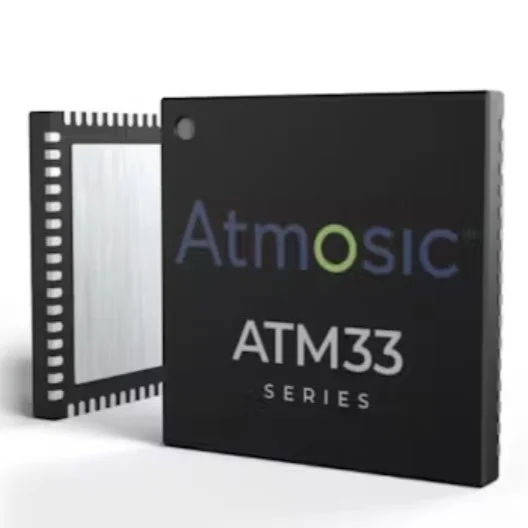
Next-Generation Chip Evaluation (Atmosic & nRF54H20)
For a U.S.-based partner exploring next-generation wireless MCU platforms, we conducted a comprehensive technical evaluation of pre-release chips from Atmosic and Nordic Semiconductor (nRF54H20). Using the vendors' latest SDKs and development kits, we rigorously benchmarked peripheral performance, radio subsystems, and SDK maturity, delivering evidence-based insights that de-risked the partner's hardware adoption decision.
Category:
EmbeddedIndustry:
Wireless / Embedded SystemsClient:
US-Based PartnerYear:
2024The Challenge
Adopting pre-release wireless microcontrollers carries significant risk: SDKs are often incomplete, peripheral drivers may behave unexpectedly, and radio performance claims are largely unverified in real-world conditions. Without independent validation, the partner faced potential integration delays, undiscovered silicon bugs, and costly late-stage hardware changes. Off-the-shelf benchmarks did not exist for these early chips, making a hands-on evaluation the only reliable path forward.
Our Solution
We designed and executed a full-spectrum evaluation program covering both hardware peripherals and radio subsystems for Atmosic and Nordic nRF54H20. The methodology included systematic I2C, SPI, and GPIO benchmarking under variable load and operating conditions, followed by BLE and Enhanced ShockBurst (ESB) radio analysis measuring throughput, range, latency, and connection reliability. SDK-level integration testing surfaced potential bugs and API gaps, and we delivered formal vendor feedback alongside a performance report with optimization recommendations tailored to the partner's target product.
Key Features
- Peripheral Benchmarking: Systematic I2C, SPI, and GPIO testing under variable clock speeds, load conditions, and timing scenarios: verifying correctness, stability, and compatibility with target sensor hardware.
- Radio Protocol Analysis: Measured BLE and ESB throughput, range, packet error rate, and connection robustness across operating frequencies: validating vendor radio stack claims against real-world results.
- SDK Integration & Bug Reporting: Explored vendor SDK environments and toolchains, identified undocumented behaviors and potential firmware bugs, and submitted structured feedback to the semiconductor vendors.
- Power Efficiency Analysis: Measured active and sleep-state current consumption to assess suitability for battery-powered product designs.
- Data-Driven Recommendations: Delivered a comprehensive evaluation report with quantitative benchmarks, risk assessments, and specific configuration recommendations for commercial deployment.
Technologies
- Atmosic
- Nordic nRF54H20
- nRF Connect SDK
- BLE
- ESB (Enhanced ShockBurst)
- I2C
- SPI
- GPIO
- C
- Embedded Toolchains
Results
The evaluation gave our U.S. partner validated, data-driven confidence to commit to next-generation MCU integration, avoiding the costly trial-and-error typically associated with early silicon adoption. KeySoft's findings also directly benefited the semiconductor vendors through structured bug reports and SDK improvement suggestions, demonstrating the value of independent third-party validation in the pre-release phase.
Work With Us
Ready to Build Something Exceptional?
From Edge AI inference to production firmware, we turn complex embedded challenges into real, deployable solutions. Let's talk.
